Bow Quarter
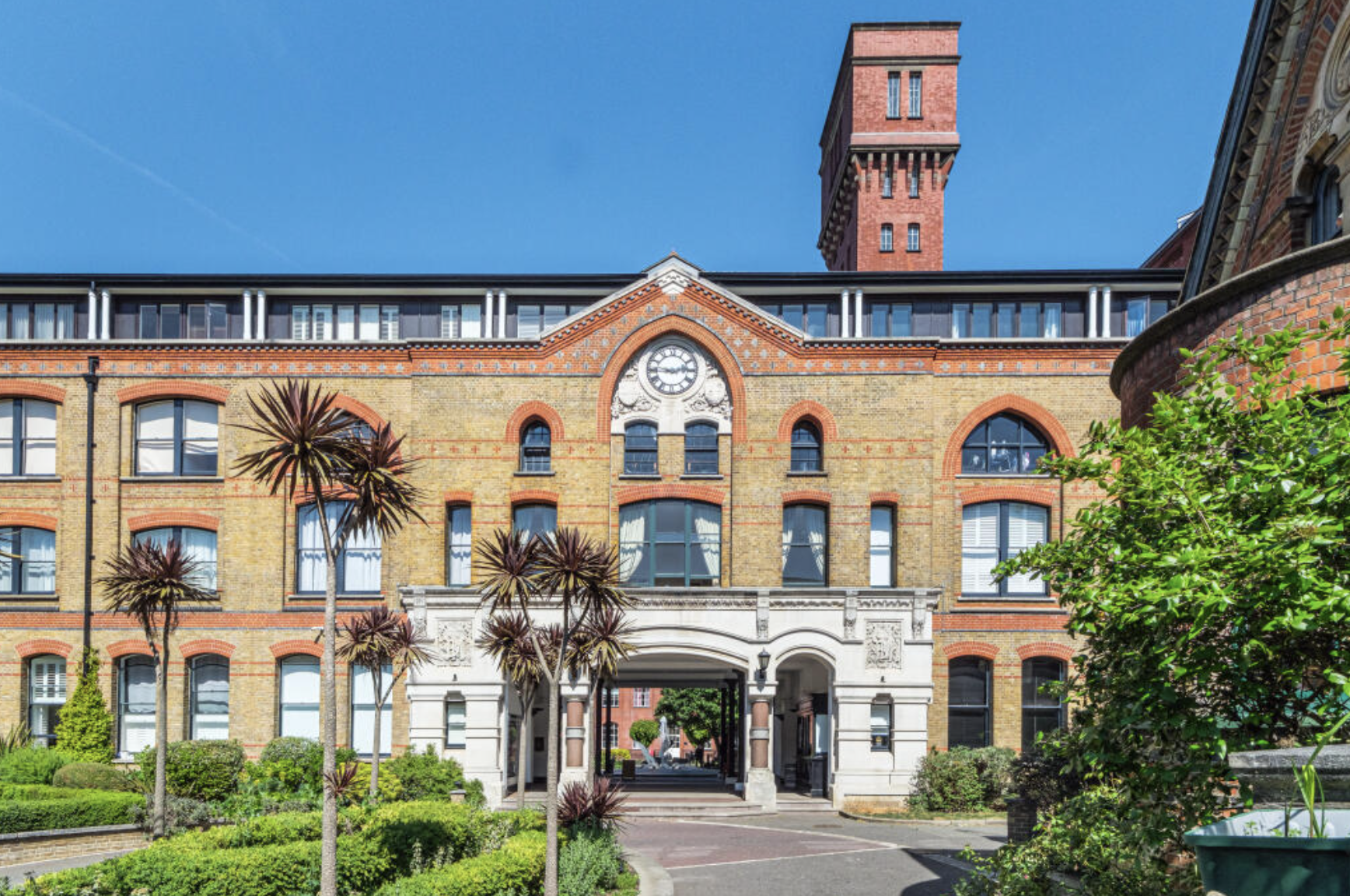
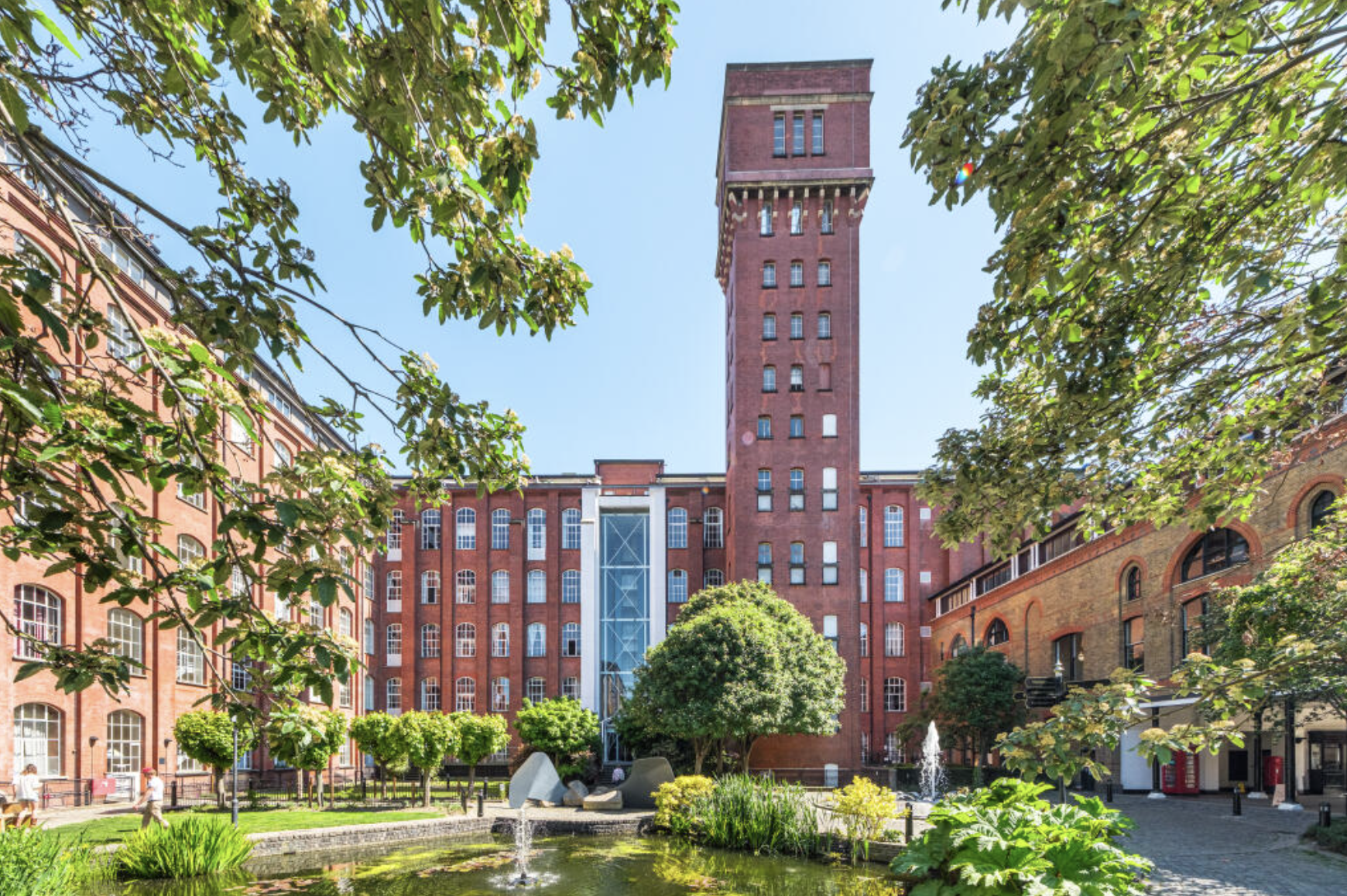
Welcome to Bow Quarter — a friendly, gated community in the heart of Bow, East London. Our home has a unique past, originally built as the Bryant and May match factory and famously linked to the Match Girls’ strike of the 1880s.
In the 1980s, the site was thoughtfully transformed into one of East London’s first major urban renewal projects, blending historic character with modern living.
History of the Bow Quarter Factory Buildings
The story of Bow Quarter goes back to 1861, when William Bryant and Francis May bought this three-acre site. At the time, it was home to a collection of ageing factory buildings that had previously been used for making candles, crinoline, and rope. With support from Swedish matchmaker John Edvard Lundström, the site was reworked and brought back to life as a match factory.
Over the years that followed, it grew into the Bryant and May factory, operating from the mid-19th century through much of the 20th century — and at its peak, it was the largest factory in London.
Matchgirls Strike of 1988
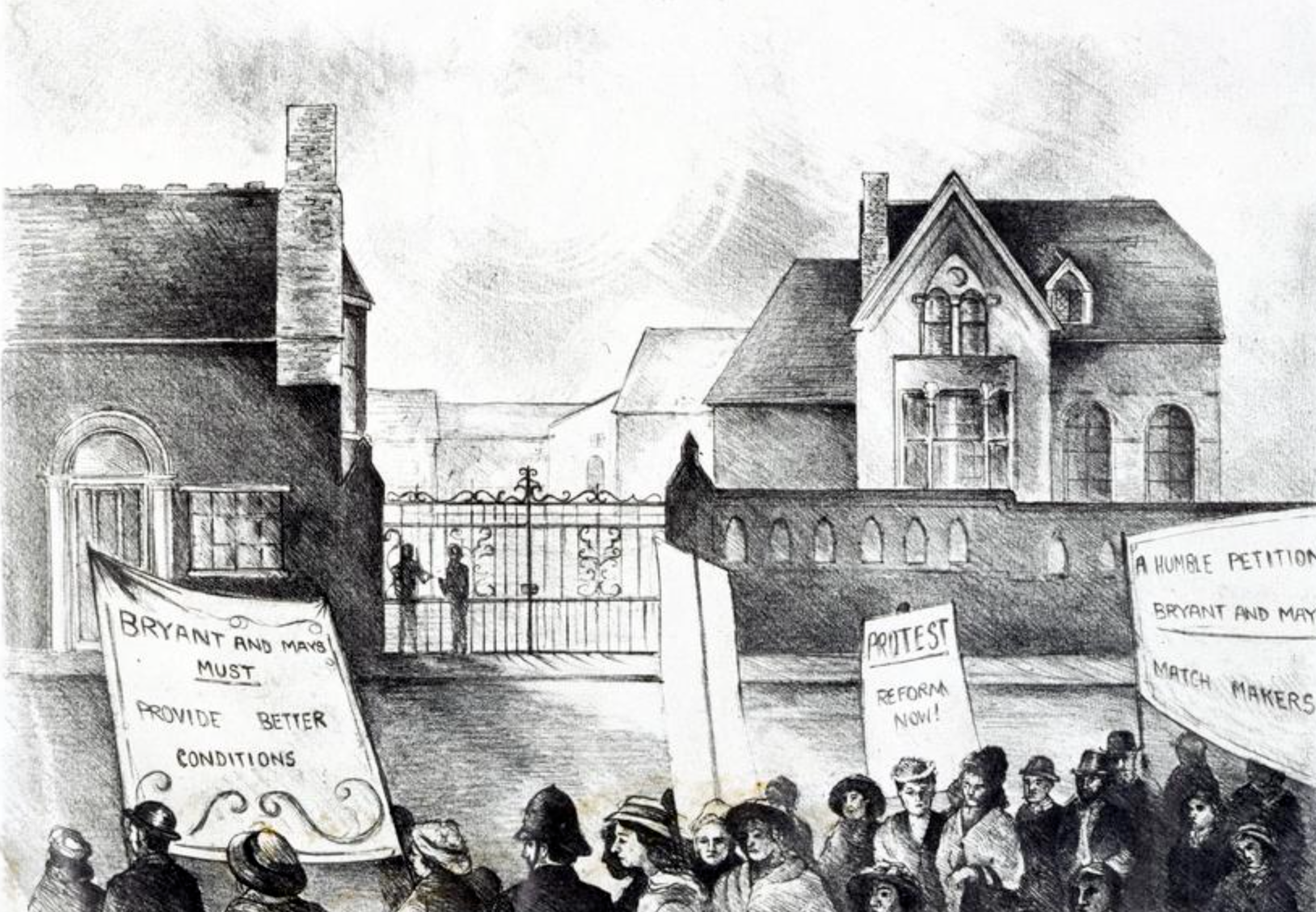
One of the most significant moments in the site’s history came in 1888, when workers at the factory took part in the London matchgirls’ strike.
Sparked by long hours, low wages, heavy fines, and the serious health risks associated with white phosphorus — including the debilitating condition known as phossy jaw — the protest became a landmark event in labour history.
It helped pave the way for the first British trade union for women.
A major redevelopment of the factory took place in 1909–1910 with the construction of the main building that still stands today. By 1911, operations were at their peak, employing over 2,000 women and girls. Production continued for several decades before eventually ceasing in 1979, by which time the workforce had reduced to around 275, with manufacturing relocated to Litherland near Liverpool.
The building itself, designed by Holman and Goodsham, is a distinctive red-brick structure with a concrete frame and two prominent ten-storey towers. It is now recognised as a Grade II listed building, reflecting its architectural and historical importance.
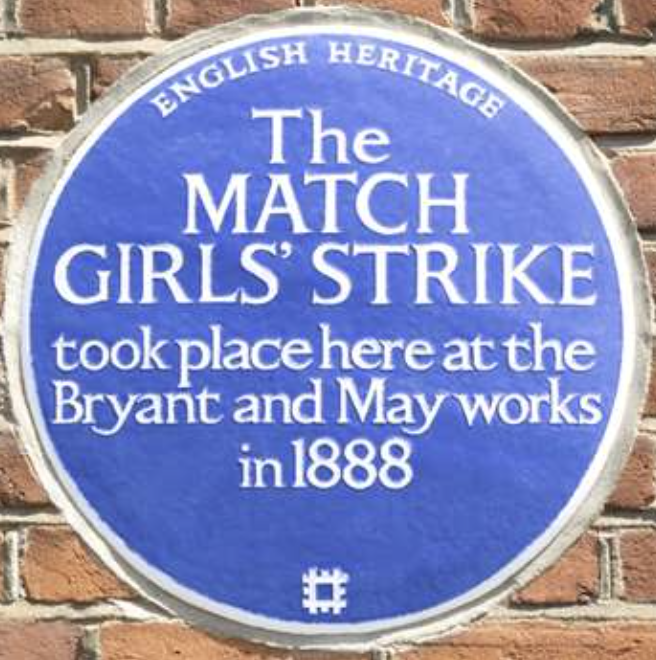
Today, a blue plaque at the entrance honours social reformer and feminist Annie Besant, who played a key role in supporting the workers’ campaign for better pay and conditions.
Following these events, some of the earliest welfare provisions for industrial workers in Britain were introduced on this site, including access to dental care.
Bow Quarter Buildings
Today, Bow Quarter comprises 733 one and two bedroom flats, along with a small number of late 19th-century workers’ cottages and new build houses on Blondin Street.
Set within around 7 acres of landscaped grounds, the development also offers residents access to a leisure centre and a Morrisons Daily store.
-
62 Flats
-
86 Flats
-
60 Flats
-
256 Flats
-
168 Flats
-
51 Flats
-
18 Flats
-
13 Cottages
-
19 Townhouses
Contacts
Park Buildings
Managing Agent - Rendall and Rittner
R&R manage the Park Buildings on behalf of the leaseholder elected RTM Board.
R&R cover issues related directly to Park Buildings, service charges
Emily Porter‑Ward ATPI
Property Manager
emily.porter-ward@rendallandrittner.co.uk
Ellie Berry
Assistant Property Manager
Bow Quarter Estate
Managing Agent - Estates Property Management
Estates Property Management manage the Bow Quarter Estate on behalf of LAH, the Estate freeholder
The Estate team cover the following services - mailroom, concierge, key holding service, and leisure centre
Fred Faulkner
Estate Manager
estatemanager@thebowquarter.co.uk
Concierge Team